What Should I Look for in an HVAC Contractor?
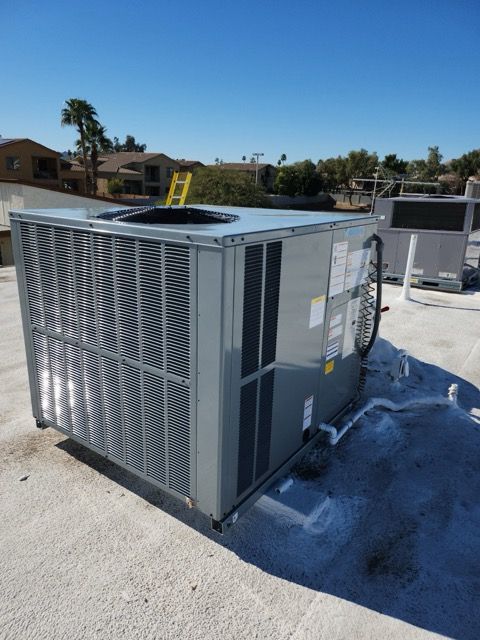
When hiring an HVAC contractor, you want someone you can trust inside your home and around one of the most expensive systems you own. Your AC system is not something to gamble with, especially in Phoenix heat. The right contractor can save you money, keep your home comfortable, and help your system last longer. The wrong one can cost you thousands.
A good HVAC contractor should be licensed, honest, clear about pricing, and willing to explain your options without pushing you into the most expensive system. You should also look closely at the brand being installed, the warranty, the system size, and the ductwork.
Here are the main things homeowners should look for before hiring an HVAC company.
1. Check Licensing First
Licensing is one of the first things you should check.
A licensed HVAC contractor has met state requirements and should be listed with the proper contractor board. In Arizona, homeowners can check a contractor’s license through the Arizona Registrar of Contractors.
This step helps you weed out unqualified companies before they ever step foot in your home.
Before hiring anyone, ask:
- Are you licensed?
- What is your ROC number?
- Is your license active?
- Does your license cover HVAC work?
- Do you carry the right insurance?
Anyone can say they know HVAC. A license gives you a better way to check if they are a real contractor.
2. Do Not Automatically Pick the Lowest Bid
The lowest bid is not always the best deal.
A cheap quote can look good at first, but you need to compare what is actually included. Some contractors leave out important items so the price looks lower. Then you find out later that the warranty is weak, the install was rushed, the ductwork was ignored, or the equipment was not the brand you thought you were getting.
When you get bids, compare them side by side.
Look at:
- Brand and model number
- Unit size
- Labor warranty
- Parts warranty
- Maintenance options
- Permits
- Thermostat
- Ductwork needs
- Installation details
- Cleanup
- Timeline
- Financing options
You are not just buying an AC unit. You are paying for the equipment, the install, the warranty, and the company standing behind the work.
A low bid with missing details can cost more later.
3. Make Sure the Brand Matches What Was Promised
Homeowners should do their homework on the brand being installed.
Some companies advertise well-known brands, but then quote or install a smaller brand name that the homeowner does not recognize. That does not always mean the equipment is bad, but it should be clear upfront.
You should know exactly what you are buying before you sign anything.
Ask the contractor:
- What brand are you installing?
- What model number is included?
- Is this the same brand shown in your ad?
- What is the SEER2 rating?
- What warranty comes with this unit?
- Is this your good, better, or best option?
A trustworthy HVAC contractor will explain the brand, the model, and why they recommend it. They should not make the quote confusing.
If a company is vague about the brand, that is a red flag.
4. Ask About the Warranty
Warranty is a major question to ask before replacing or repairing your AC system.
You need to know what is covered, how long it is covered, and who handles the warranty if something goes wrong.
There are usually two main parts:
- Manufacturer warranty
- Labor warranty from the contractor
The manufacturer warranty may cover parts, but that does not always mean labor is covered. That is why you need to ask the contractor what they cover directly.
Ask these questions:
- What is the parts warranty?
- What is the labor warranty?
- Does the warranty need to be registered?
- Who registers it?
- What can void the warranty?
- Are maintenance visits required?
- What happens if the unit breaks during the warranty period?
A good HVAC contractor should explain this clearly. If they rush past the warranty details, slow them down and ask again.
5. Make Sure the System Is the Right Size
The size of your AC system plays a major part in how your home cools.
An undersized unit may struggle to cool the square footage of your home. That means the system can run too long, work too hard, use more energy, and wear down faster.
A system that is too large can also cause problems. Bigger is not always better. If the unit is too large for the home or ductwork, it can short cycle, create comfort issues, and fail to run the way it should.
Your contractor should not guess.
They should look at things like:
- Square footage
- Insulation
- Windows
- Ceiling height
- Sun exposure
- Existing ductwork
- Airflow
- Home layout
- Current system performance
The goal is to install a unit that fits the home, not just replace the old one with the same size without asking questions.
6. Make Sure the Unit Fits the Ductwork
A new AC unit has to work with the ductwork in your home.
This is one of the biggest things homeowners miss. You can install a good unit, but if the ductwork is too small, damaged, leaking, or poorly designed, the system may still struggle.
The unit size, airflow, and ductwork all need to work together.
Ask your HVAC contractor:
- Is my current ductwork the right size?
- Do I have enough return air?
- Are there any airflow issues?
- Do any ducts need repair?
- Will this new unit work with my current duct system?
- Are there rooms that may still have hot spots?
A real HVAC pro will look at the whole system, not just the box outside.
7. Get a Few Bids and Compare Them
It is smart to get a few bids before making a big HVAC decision.
This helps you compare the companies, equipment, warranties, and pricing. It also helps you spot bids that do not line up.
If one contractor is thousands cheaper than the others, ask why. It may be a good deal, or it may be missing important work.
When comparing bids, make sure they are close to the same scope.
For example, compare:
- Same size system
- Similar brand level
- Similar warranty
- Similar install details
- Same ductwork notes
- Same permit details
- Same thermostat or add-ons
This helps you compare apples to apples.
A good bid should be clear. You should not have to guess what you are paying for.
8. Ask About Maintenance Plans
A good maintenance plan is key to keeping your AC running at strong operating conditions.
In Arizona, your AC works hard. Dust, heat, clogged filters, and long run times can wear the system down. Regular maintenance helps catch small problems before they turn into bigger repairs.
A good maintenance visit should include items like:
- Checking the air filter
- Inspecting electrical parts
- Checking refrigerant levels
- Cleaning key components
- Checking airflow
- Inspecting the thermostat
- Looking for worn parts
- Checking drain lines
- Testing system performance
-
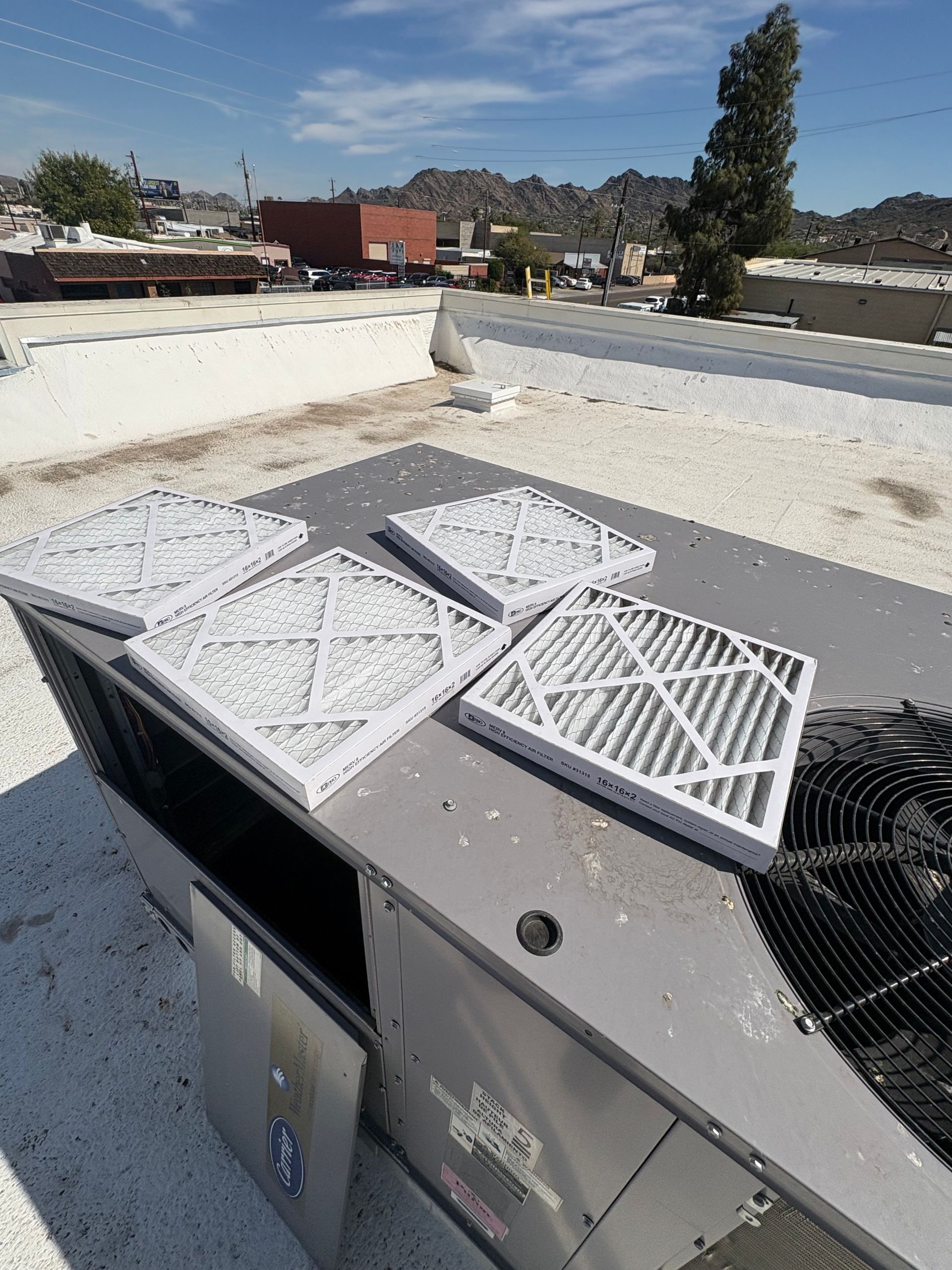
Air filters also play a big role. A dirty filter can hurt airflow and make the unit work harder than it should.
Before signing up for a maintenance plan, ask what is included. Some plans offer real value. Others are just a small discount with very little service.
Ask:
- How many visits are included each year?
- Do you check filters?
- Do you clean the system?
- Do you inspect airflow?
- Do I get repair discounts?
- Does maintenance help protect my warranty?
- What is not included?
A maintenance plan should help protect your system, not just lock you into a yearly fee.
9. Look for a Contractor Who Explains Your Options
A good HVAC contractor should explain your options in a way that makes sense.
They should not pressure you into the most expensive system. They should explain the difference between repair and replacement, then help you decide what makes sense for your home and budget.
Sometimes a repair is the right move. Sometimes replacement makes more sense. It depends on the age of the system, the repair cost, the warranty, and how well the unit has been running.
A trustworthy contractor will tell you the truth, even if it means they make less money that day.
Look for someone who explains:
- What is wrong
- What caused the issue
- What it costs to fix
- How long the fix may last
- When replacement makes sense
- What options fit your budget
That is the kind of contractor homeowners should want.
This repair-versus-replace honesty matters double with ductless systems, where we’ve seen homeowners quoted full replacements for problems that cost a couple hundred dollars to fix. Before you accept a replacement quote on a ductless unit, read our guide answering are mini splits repairable — it covers what usually fails and when replacement actually makes sense.
10. Watch Out for Sales-Heavy Companies
Some large HVAC companies carry a lot of overhead. Big offices, large sales teams, heavy advertising, and commission-based selling can raise the price homeowners pay.
That does not mean every large company is bad. But homeowners should know what they are dealing with.
If the visit feels more like a sales pitch than a real inspection, that is a problem.
Watch out for:
- High-pressure sales
- Same-day-only pricing
- Vague equipment details
- No clear warranty explanation
- No ductwork review
- No sizing discussion
- Pushing replacement without explaining repair options
- Prices that feel inflated
A good HVAC contractor should be there to solve the problem, not pressure you.
Why Working With a Small Family-Owned HVAC Company Matters
We are a small family-owned HVAC company, and it shows in how we treat people.
We do not have the large overhead that many bigger companies carry. We are not trying to charge more just to cover layers of sales staff, office costs, and heavy advertising. Our goal is simple: give homeowners honest options, fair pricing, and quality work.
We have helped families save thousands by giving them straight answers instead of pushing the highest-priced option.
That matters.
When a homeowner calls us, we want them to understand what they are buying, why it matters, and how to protect their system long term.
Final Thoughts: What Should You Look for in an HVAC Contractor?
When choosing an HVAC contractor, do not rush the decision.
Start by checking licensing. Then compare bids, ask about the exact brand and model, review the warranty, and make sure the unit size fits your home and ductwork. Ask about maintenance plans and pay attention to how the contractor explains your options.
The right HVAC contractor will not pressure you. They will educate you, answer your questions, and help you make a smart decision for your home.
Your AC system is too important to leave in the hands of the cheapest bid or the fastest sales pitch.
Choose a licensed, honest, experienced HVAC contractor who stands behind the work.
FAQs About Hiring an HVAC Contractor
How do I know if an HVAC contractor is trustworthy?
Start by checking their license. Then look at reviews, ask for warranty details, compare bids, and make sure they explain the work clearly. A trustworthy HVAC contractor will not dodge your questions.
Should I always choose the cheapest HVAC quote?
No. The cheapest quote may leave out important details like labor warranty, permits, ductwork repairs, or better equipment. Compare the full scope of work before deciding.
Why does AC system size matter?
The wrong size system can cause comfort problems, high energy bills, and extra wear on the unit. An undersized unit may run too much. An oversized unit may cycle too often. The system needs to fit your home and ductwork.
Should I ask what brand of AC unit is being installed?
Yes. Ask for the brand, model number, warranty, and efficiency rating. Make sure the equipment in the quote matches what the company advertised or promised.
Are HVAC maintenance plans worth it?
A good HVAC maintenance plan can be worth it if it includes real inspections, filter checks, system cleaning, airflow checks, and performance testing. Make sure you know what is included before signing up.
What should I ask during an HVAC estimate?
Ask about licensing, unit size, ductwork, brand, model number, warranty, labor coverage, maintenance plans, permits, and what is included in the quote.
What should i do if my AC goes out at night?
Schedule your AC Repair today - 602-767-5341
You might also like